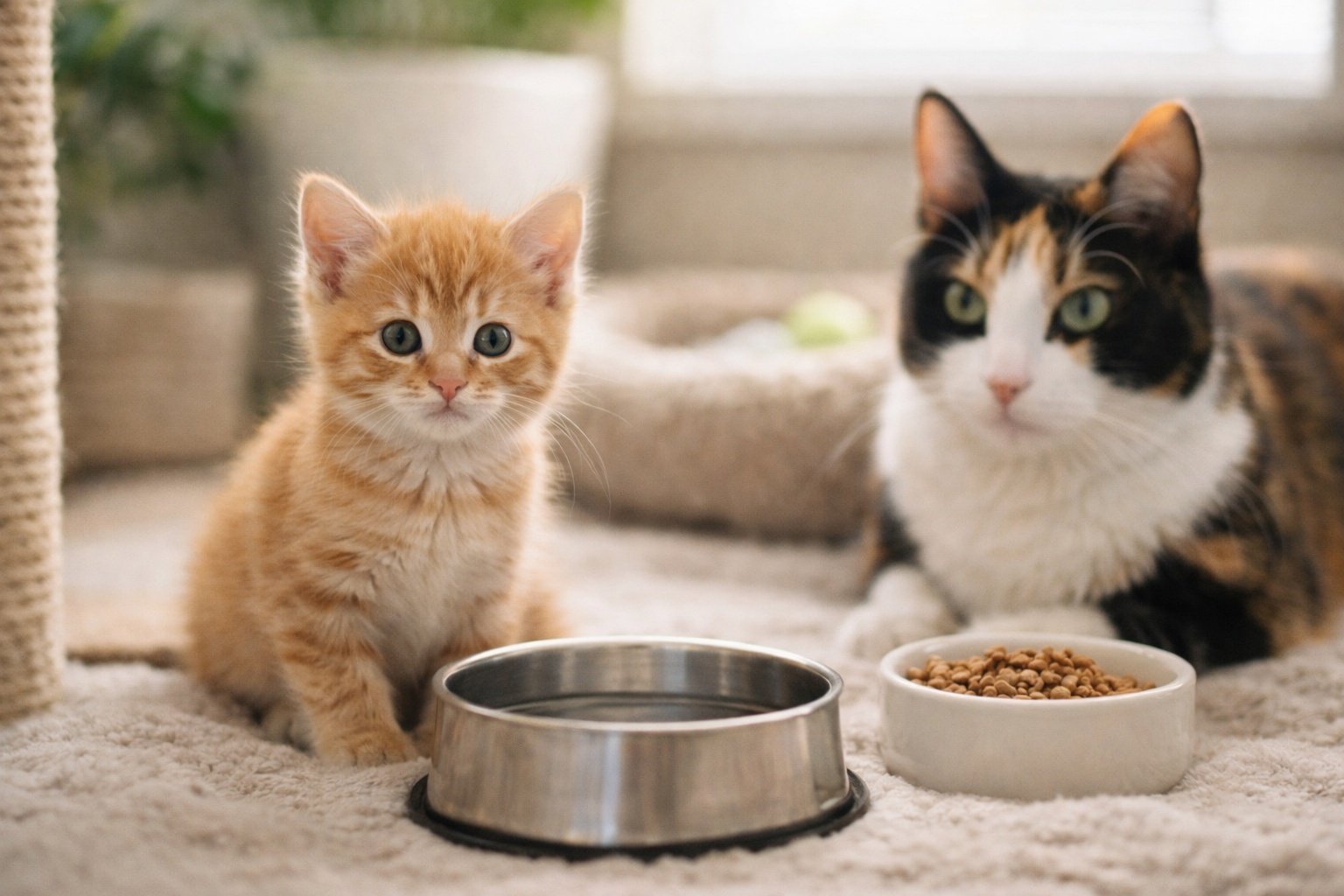

If you’ve ever wondered what your cat is really thinking when they stare at you from across the room or why they suddenly zoom through the house at midnight, you’re not alone. Kitty behavior can seem mysterious, but once you learn to read the signals, your feline friends become remarkably transparent communicators.
As a veterinarian and animal behavior enthusiast here at Rabbit Life Hack, I’ve spent years studying how animals express themselves through subtle physical cues. While our primary focus is rabbit care, the principles of behavioral observation translate beautifully across species. Whether you’re a rabbit guardian adding a cat to your family or a dedicated cat owner seeking deeper understanding, this guide will help you decode everything from a happy cat’s greeting to the warning signs that something’s wrong.
Quick guide: how to tell what your kitty is feeling
Your cat’s body posture, tail position, ears, eyes, and voice work together as a communication system that broadcasts their emotional state. Learning to read these signals quickly can help you respond appropriately and build a stronger bond with your pet cats.
Here’s your at-a-glance guide to common emotional states:
- Happy and relaxed: Tail held high with a gentle curve at the tip, soft eyes with slow blinks, ears forward, loose body posture, gentle purring
- Playful and excited: Dilated pupils, slightly crouched stalking position, tail tip twitching, ears forward and alert, possible chirping sounds
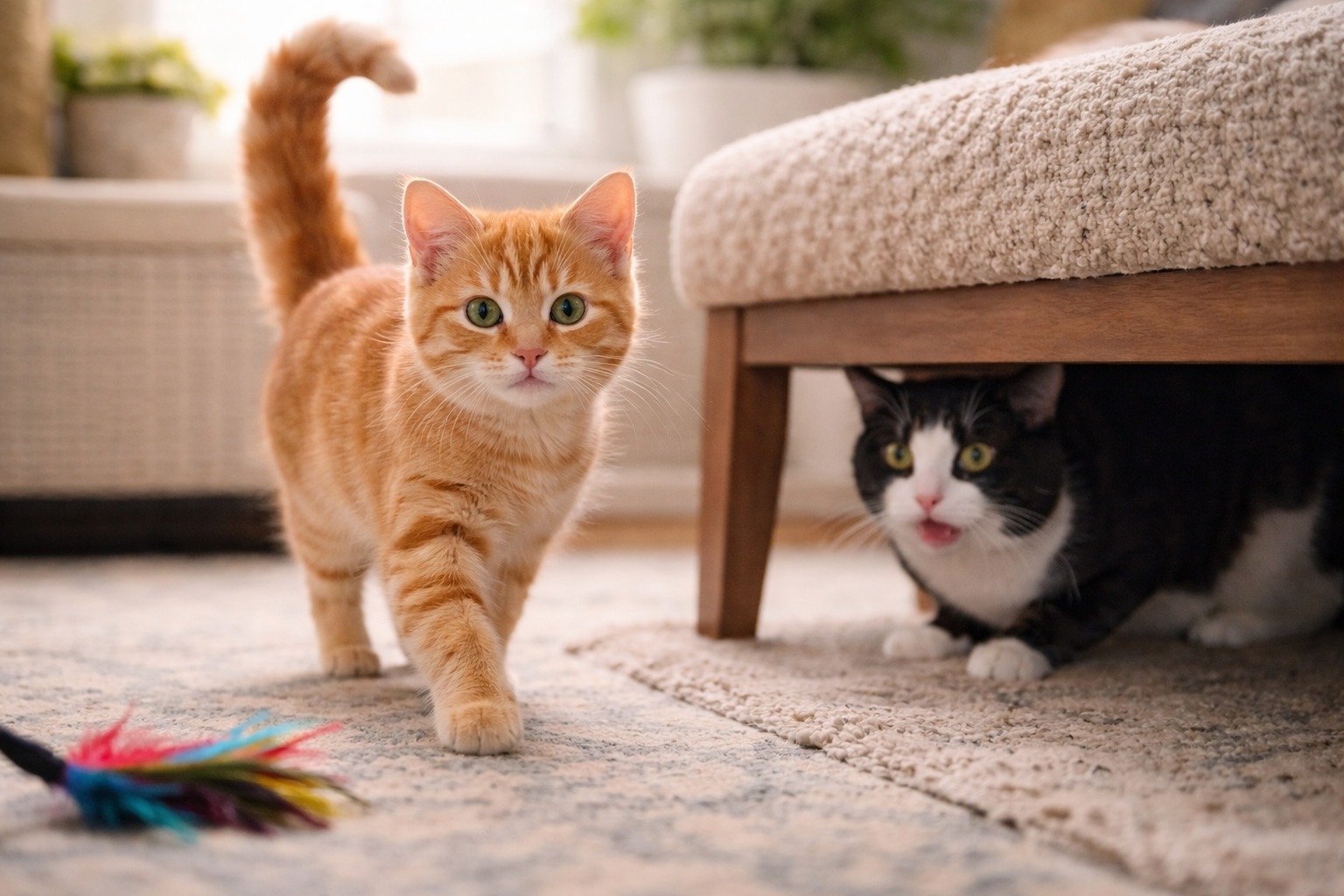
- Worried or anxious: Crouching low, tail wrapped close to body, ears turned slightly sideways, avoiding eye contact, hiding under furniture.
- Angry or defensive: Puffed tail, arched back, flattened ears, hissing or growling, stiff legs, direct hard stare
- Unwell or in pain: Excessive grooming of one area, hiding for extended periods, changes in litter box habits, decreased appetite, unusual vocalizations
Picture your relaxed cat in your kitchen with their tail held straight up as they approach you—that’s a confident, friendly greeting. Now compare that to a cat hiding under the bed after a visitor arrives, with their body compressed and tail tucked—clear signs of stress.
At Rabbit Life Hack, we use this same behavioral observation approach for rabbits, and many principles apply across species. Watching posture, movement, and context tells you volumes about what any animal is experiencing.
Kitty body language basics
Domestic cats evolved as solitary hunters, which means they developed subtle communication methods rather than the obvious pack signals dogs use. Small changes in posture can carry significant meaning, making careful observation essential for understanding your cat.
The fundamental principle underlying cat behavior comes down to “open” versus “closed” body shapes. When cats feel safe and confident, they voluntarily expose their bodies through stretching and relaxed positioning. Their muscles stay loose, they take up space, and they move fluidly through their environment.
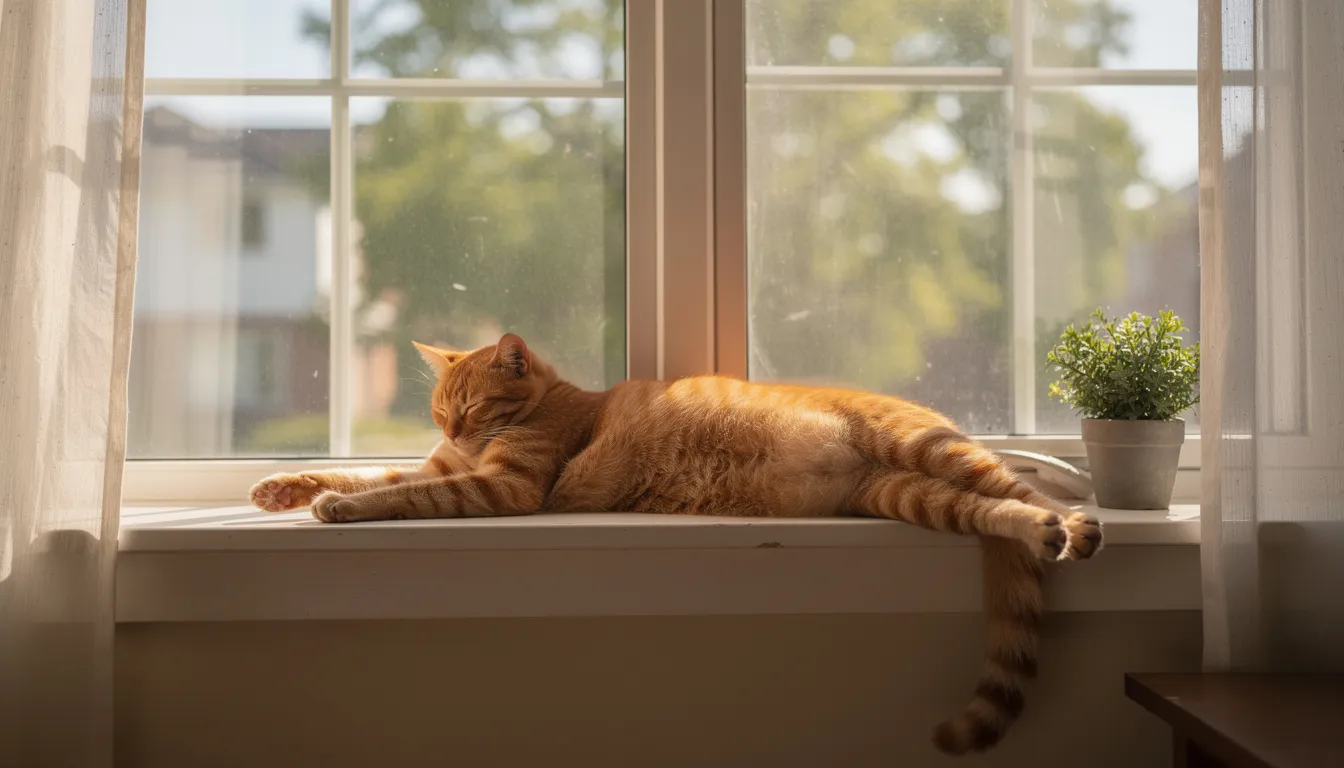
Conversely, when cats feel threatened or uncomfortable, they instinctively shift into protective mode, attempting to minimize their physical exposure by adopting compact, contracted postures. A tense, ball-like posture can indicate anxiety, worry, or even physical pain.
Consider these concrete examples:
- Relaxed cat loafing on a sofa in a sunny window: Tucked paws, soft eyes, ears in neutral position, slow breathing—this cat feels completely safe
- Crouched cat under a chair during a thunderstorm: Compact body, wide eyes, ears flattened or swiveling, tense muscles—this cat is frightened
If a cat stops and freezes upon seeing you, that’s a clear indicator they’re not feeling comfortable in your presence. This freezing behavior appears to be a defensive strategy, allowing the cat to assess whether to flee or engage.
Interestingly, rabbits display remarkably similar patterns. Both species hide discomfort, use crouching and tensing as fear signs, and become compact when stressed. This shared prey-animal heritage means rabbit guardians often pick up cat behavior reading quickly.
Happy, relaxed & playful kitty behavior
A content house cat typically follows a predictable pattern: napping in warm spots throughout the day, greeting you at the door when you return home, and engaging in short bursts of intense play. Understanding what “normal happy” looks like for your cat helps you spot problems early.
Hallmark signs of a happy cat include:
- Tail up with a soft curve at the tip
- Ears forward and relaxed, not swiveling or flattened
- Normal-shaped pupils are appropriate for the lighting
- Soft facial muscles and neutral whisker position
- Gentle purring, especially during petting or when settling to sleep
- Slow blink directed at you (the famous “kitty kiss”)
Classic playful behaviors involve pouncing on toys, ambushing family members from behind furniture, and the legendary “zoomies”—sudden bursts of running that typically occur around 7-9 pm when cats experience peak predatory drive.
Kneading, often called “making biscuits,” appears when cats rhythmically push their paws against blankets, pillows, or your lap. This behavior originates from kitten nursing movements and persists into adulthood as a self-soothing gesture. Cats also deposit scent from scent glands in their paws during kneading, marking their favorite surfaces and people.
Rabbits show happiness differently through binkies and flops, but the underlying principle—repetitive, relaxed, playful movement—parallels what we observe in content cats.
When your kitty is calm or affectionate
Picture your cat curled on your chest, purring softly while you watch TV. Or perhaps they walk over in the kitchen and head-butt your hand while you’re making dinner. These moments represent peak feline affection.
Specific body language during calm, affectionate states includes:
- Soft, slow blink with half-closed eyes
- Tail gently swishing rather than snapping
- Whiskers in a neutral or slightly forward position
- Relaxed ears facing forward
- Loose, curved body posture
When a cat rubs their head against your legs, furniture, or door frames, it’s engaging in bunting behavior. This serves dual purposes: expressing affection and depositing scent from facial glands. When your cat rubs against you, they’re essentially claiming you as part of their trusted group.
Here’s a useful trick: try copying the slow blink back at your cat. Blinking slowly communicates trust and relaxation in cat language.Many felines will return the gesture with their own slow blink, fostering a genuine moment of connection between species. This mirrors how soft eye contact calms rabbits during gentle handling.
Consider recording short phone videos of your cat during clearly happy moments. Over time, you’ll develop a personalized library of your individual cat’s “I like this” signals.
Playful, hunting-mode kitty
Even well-fed indoor cats retain a strong prey drive. Understanding hunting behavior helps you distinguish focused play from actual aggression—an important distinction for humans living with feline friends.
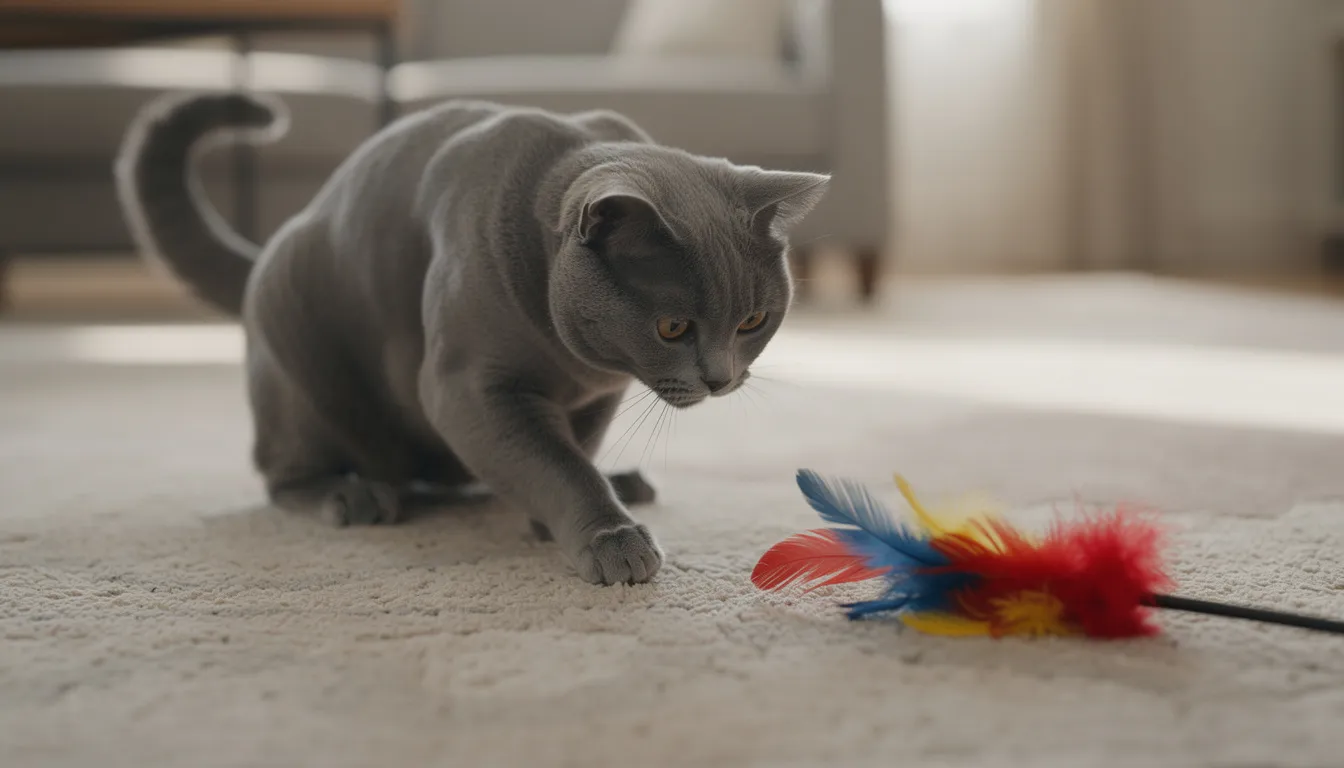
A typical hunting sequence in your living room might look like this:
- Intense staring at the target (feather wand, laser dot, unsuspecting sock)
- The famous butt wiggle as they prepare to launch
- Low stalking posture with the body close to the ground
- Quick pounce and grab
- Bite and rabbit-style back-leg bunny kicks
During hunting mode, you’ll notice dilated pupils, slightly forward ears, that low stalking posture, and quick tail flicking. These signals indicate focused play rather than aggression. The tail flicking during hunting represents stimulation and heightened alertness, not the irritation it might signal in other contexts.
Common behaviors like chirping at birds outside a window or chattering teeth when spotting a moth on the ceiling reflect frustrated predatory instinct. Your cat desperately wants to catch that potential prey, but can’t reach it.
This retained prey drive parallels how rabbits maintain their instinct to scan for predators despite feeling safe indoors. Both behaviors persist because they’re hardwired, not because the animal is unhappy.
For mental stimulation and to channel this energy constructively, schedule 10-15 minutes of interactive play in the morning and evening. Wand toys that mimic bird or mouse movement work particularly well for satisfying that hunting urge.
Worried, fearful & angry cat behavior
Cats occupy an unusual evolutionary position as both predators and prey. This dual nature means fear and defensiveness can manifest in two opposite ways: shrinking small to avoid detection, or puffing up to appear large and threatening.
Early fear signs in most cats include:
- Hiding under beds, in closets, or behind furniture
- Avoiding eye contact with humans or other animals
- Crouched position with tail close to body
- Ears turned slightly sideways (“airplane ears”)
- Reluctance to move or frozen posture
As fear escalates toward anger or extreme threat response, you’ll observe:
- Growling (a warning that essentially says “back off”)
- Hissing (demonstrating sharp fangs while signaling readiness to fight or flee)
- Spitting and swatting
- Back arched with fur standing on end
- Tail puffed out to maximum size
Consider a concrete household scenario: your cat meets a visiting dog for the first time in July. Initially, they might freeze, crouch low, and show airplane ears. If the dog approaches too quickly, your cat may escalate to hissing, arching their back, and puffing their tail to appear larger and more threatening.
One critical point: punishment like yelling, spraying water, or physical correction increases fear rather than resolving it. In our Rabbit Life Hack work, we see similar negative effects of punishment in rabbits. Stressed animals don’t learn better behavior through fear—they simply become more anxious and potentially more aggressive.
Subtle signs your kitty is worried
Long before your cat reaches the hissing and spitting stage, they broadcast worry through subtle cues. Learning these early signals helps you intervene before stress escalates.
Watch for these subtle worry indicators:
- Suddenly hiding more after a move or household change
- Sitting in a crouched loaf position with tense shoulders
- Tail wrapped tightly around the body rather than relaxed
- Dilated pupils even in bright light
- Increased startle responses to normal household sounds
- Turning head away while ears remain half-aimed at you
A worried cat may still allow petting, but watch for a twitching tail tip or rippling back skin. These are early “I’ve had enough” signals that precede biting or scratching.
Keep a simple notebook or phone notes tracking when and where these behaviors appear. You might discover patterns related to new furniture, visiting relatives, or seasonal events like fireworks around July 4th or New Year’s Eve.
Proactive environmental changes help reduce chronic worry:
- Add extra hiding places (cardboard boxes, covered beds)
- Install vertical shelves and cat trees for escape routes
- Create quiet zones away from busy rooms
- Maintain consistent daily routines
These strategies mirror what we recommend for stressed rabbits—providing security through environmental enrichment rather than forcing interaction.
When a cat is truly angry or feels cornered
True anger or extreme fear creates unmistakable displays. A cat standing sideways with arched back and fluffed tail, ears flattened against the head, mouth open in a hiss—this cat is communicating “stay away” with maximum clarity. Alternatively, you might see a flattened crouch with tail wrapped tight, teeth bared if anyone approaches.
This “stay away” message deserves respect. Back away slowly, avoid direct staring (which cats perceive as a threat), and give the cat a clear escape route. Never corner an angry cat or attempt to “comfort” them through forced contact.
Watch for redirected aggression patterns. A cat might lunge at you after seeing another cat through the window—they’re aroused and ready to fight, and you happened to be nearby. Reducing visual access to outdoor cats through window film or repositioning furniture can help with this behaviour problem.
Even formerly calm cats can display these behaviors after painful experiences like surgery or injury. Just as rabbits may kick or bite during painful handling, cats in pain often show uncharacteristic aggression as a protective mechanism.
Seek veterinary or qualified behavior help if:
- Aggression appears suddenly without an obvious trigger
- Behavior escalates over several days
- Aggression follows a household change (new baby, new pet, move)
- Your cat seems painful or unwell, alongside behavioral changes
Understanding kitty tail, ear, eye & whisker signals
Your cat’s tail, ears, eyes, and whiskers function as four distinct “signal zones” that work together to broadcast emotional state. Context matters enormously—the same signal can mean different things depending on location, people present, and time of day.
No single signal tells the whole story. Pupil size alone, for instance, changes with lighting, excitement, fear, and hunting focus. You need to read combinations of signals for accurate interpretation.
At Rabbit Life Hack, we teach rabbit guardians to read ears and body tension as primary mood indicators. For cats, we add tail and whiskers as equally important cues. The following subsections break down each body part with practical at-home examples.
Kitty tail talk
The cat’s tail functions as what animal behaviorists describe as a “mood ring,” offering invaluable insights into emotional state.
Common tail positions and their meanings:
|
Tail Position |
Typical Meaning |
|---|---|
|
High vertical tail |
Confident greeting, happy to see you |
|
Question-mark curve |
Friendly curiosity, playful mood |
|
Low or tucked tail |
Fear, uncertainty, submission |
|
Puffed tail |
High arousal from fear or anger |
|
Wrapped around the body |
Anxiety, self-comfort, or cold |
Tail movements add another layer of information:
- Fast lashing side to side: Irritation, overstimulation, or anger
- Small tip twitching: Mild annoyance, focused attention, or early excitement
- Tail quivering: Happy excitement during greetings (can look similar to spray-marking posture)
Picture this living-room scenario: you arrive home from work, and your cat approaches with tail held high, perhaps with a small curve at the tip. That’s a confident, friendly greeting. Now imagine a child repeatedly trying to pick up the cat despite protests—the lashing tail signals mounting irritation and warns that claws may appear soon.
Rabbits use their tails quite differently, primarily as brief flashes during warnings or excitement. This species difference reminds us not to overgeneralize—always consider the animal in front of you.
Remember: “tail up plus relaxed body” generally means friendliness, while “tail up plus puffed fur and stiff legs” indicates threat display.
Ears, eyes & whiskers: fine-tuning your interpretation
Cat’s ears rotate independently, providing precise information about attention and mood:
- Forward: Curious, relaxed, engaged with something interesting
- Swiveling: Scanning for sounds, possibly alert to something you can’t hear
- Turned to sides (airplane ears): Unease, anxiety, early warning
- Flattened against head: Fear or aggression, ready for conflict
Eye cues reveal internal states:
- Normal pupils in bright light: Calm, comfortable cat
- Very large pupils: Fear, surprise, excitement, or play arousal
- Slow blink: Trust, affection, relaxation
- Hard stare without blinking: Threat or challenge, especially toward other cats or dogs
Whisker positions complete the picture:
- Neutral: Relaxed, no particular arousal
- Pushed forward: Hunting mode, exploration, intense interest
- Pulled tight against cheeks: Fear, defensiveness
Consider a cat on a veterinary examination table: ears slightly back, pupils large despite bright lights, whiskers pulled back, body compressed into a tight ball. Every signal points to stress. Understanding this combination helps you (and your vet) handle the cat more gently.
Try watching videos of your cat in slow motion to see these changes frame by frame. Many rabbit guardians use this technique to learn subtle behavior shifts, and it works equally well for cat behavior analysis.
Common kitty behaviors that confuse owners
Many normal feline behaviors look “naughty” or bizarre until we understand their evolutionary purpose. Scratching furniture isn’t spite. Midnight zoomies aren’t insanity. Bringing you a dead mouse isn’t a critique of your hunting skills.
Key behaviors that confuse owners include:
- Scratching furniture and door frames
- Purring in strange situations
- Kneading blankets (and your legs)
- Head-butting and rubbing
- Sudden zoomies through the house
- Eating grass and then vomiting
- Bringing prey or toys as “gifts.”
These behaviors are usually completely normal unless they become excessive, appear suddenly, or seem linked to pain or distress. Our mission at Rabbit Life Hack involves demystifying similarly confusing rabbit behaviors like digging, chewing, and spraying. The same mindset of curiosity over punishment applies to understanding cats.
Scratching, climbing & zoomies
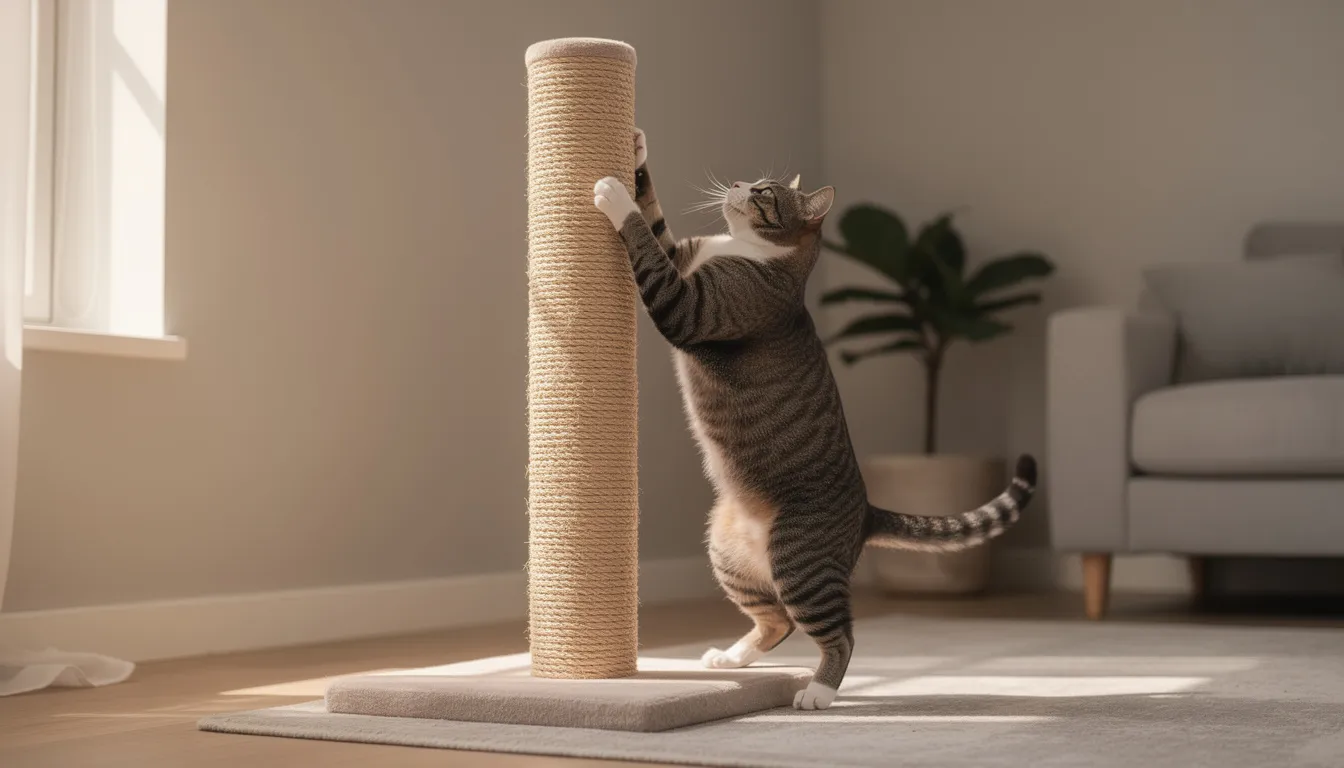
Scratching serves essential functions for cats:
- Claw maintenance (removes dead outer sheaths)
- Muscle stretching for the shoulders and legs
- Territory marking via scent glands in paw pads
- Stress relief and emotional regulation
When your cat scratches the sofa arm, wooden table leg, or door frame, they’re not misbehaving—they’re fulfilling a biological need. The solution isn’t punishment but redirection.
Provide appropriate alternatives:
- Sturdy vertical scratching posts (at least 3 feet tall)
- Horizontal scratching surfaces for cats who prefer that angle
- Posts near sleeping areas (cats often scratch upon waking)
- Multiple options throughout the house
Place a scratching post directly next to furniture your cat targets, then gradually move it to a preferred location once the habit transfers.
The famous “zoomies” represent short, intense bursts of running typically occurring at dawn or late evening. These connect to natural hunting rhythms when cats would normally be most active. Pent-up energy from indoor living amplifies this behavior.
Solutions for excessive zoomies:
- Scheduled play sessions with wand toys, morning and evening
- Puzzle feeders that require mental effort
- Multi-level climbing structures for exploration
- Food-dispensing toys that simulate hunting
Similar enrichment principles apply to indoor rabbits—we provide tunnels, platforms, and foraging activities to satisfy their natural behaviors.
A critical note: avoid declawing. This surgical procedure amputates the last bone of each toe and can cause chronic pain, behavior changes, and litterbox avoidance. Several US states and many European countries have banned or restricted the practice due to welfare concerns.
Purring, kneading & head-butting
Cats purr in many situations, and the meaning depends entirely on context. While purring often indicates contentment—like when your cat settles on your lap for petting—it can also occur during pain or illness. A cat purring at the veterinary clinic while clearly limping isn’t expressing happiness; they may be self-soothing during distress.
Context clues for interpreting purring:
- Relaxed body + slow blink + purring = contentment
- Tense body + hiding + purring = possible pain or stress
- Approaching food bowl + purring = anticipation
Kneading on blankets or laps combines comfort-seeking kitten behavior with low-level territorial marking. Some cats drool lightly while kneading—perfectly normal, if slightly inconvenient for your clothes.
Head-butting (bunting) represents a friendly greeting and scent-sharing behavior. When your cat bunts your hand after you return from work, they’re reinforcing social bonds and depositing their scent on you. Similarly, when a cat rubs against door frames or furniture corners, they’re creating a scent map of their territory.
Enjoy these affectionate behaviors, but monitor for concerning patterns. If purring appears alongside obvious distress, decreased appetite, or reduced activity, schedule a veterinary check.
Rabbits display parallel behaviors—gently nudging owners and chinning objects to mark territory. Understanding these functional similarities helps multi-pet households recognize when animals are comfortable and connected.
Kitty communication: meows, purrs & other sounds
Here’s a fascinating fact: adult cats rarely meow to each other. Meowing is largely reserved for communicating with humans—a behavior cats developed specifically to interact with us.
The main types of feline vocalizations include:
|
Sound |
Typical Context |
|---|---|
|
Meow |
Requesting attention, food, or access |
|
Trill/chirp |
Friendly greeting, acknowledgment |
|
Chatter |
Watching prey, frustrated hunting |
|
Purr |
Contentment, self-soothing, or illness |
|
Growl |
Warning, defensive threat |
|
Hiss |
Fear, threat, preparing for conflict |
|
Yowl |
Distress, mating, and territorial disputes |
Each sound’s meaning shifts with context, time of day, body language, and individual personality. Just as rabbits use soft grunts or tooth purring in specific situations, cats develop personalized vocal repertoires that owners learn to decode over months and years.
Excessive or sudden changes in vocalizing can signal medical or emotional problems—we’ll cover those warning signs shortly.
Everyday kitty sounds
Typical daytime meowing patterns reveal your cat’s wants:
- Short, bright meows near food bowls: “I’m hungry, please feed me.”
- Longer drawn-out meows at doors: “Let me in/out” or “Pay attention to me.”
- Repeated meows following you: “Something’s wrong” or “I really want something.ng”
Trills and chirps function as friendly acknowledgments. Your cat might trill when you walk into a room or when leading you toward something they want (the treat cupboard, the window with the bird view).
Chattering—that peculiar jaw-clicking sound—occurs when cats watch birds through windows or insects on ceilings. This represents frustrated predatory instinct: your cat desperately wants to catch that prey but can’t reach it.
Some breeds and individuals are notably talkative. A vocal mixed-breed cat in a city apartment might hold lengthy “conversations” with their person, responding to your words with their own commentary. This isn’t a behavior problem—just personality.
Notice patterns across life stages. Senior cats sometimes increase vocalization as they develop cognitive decline. If your previously quiet cat starts vocalizing more at age 14 or 15, mention it at your next veterinary visit.
Fear, anger & nighttime vocalizations
Growls, low yowls, and hisses form an escalating sequence of “back off” signals. These typically pair with stiff posture, flattened ears, and dilated pupils. The progression from growl to hiss indicates mounting threat level—respect these warnings and give the cat space.
Nighttime yowling has several common causes:
- Intact male cats calling for potential mates
- Females in heat advertising availability
- Territorial disputes with outdoor cats are visible through windows
- Older cats experiencing disorientation or anxiety in the darkness
If a previously quiet adult cat starts frequent night crying, investigate medical causes. Hyperthyroidism, pain, and cognitive decline can trigger nighttime vocalizations. Schedule a veterinary exam if the pattern persists beyond a few days.
Gentle management strategies include:
- Schedule active play before bedtime to tire your cat
- Late-evening meals to promote sleepy fullness
- Quiet resting spaces away from noisy hallways
- Nightlights for senior cats who seem disoriented
Never punish vocalizing—this worsens fear and anxiety without addressing the underlying cause. Just as startling as a thumping rabbit increases stress rather than resolving it, yelling at a crying cat damages trust and intensifies the problem.
When kitty’s behavior signals a problem
Changes in routine—litter box use, grooming, appetite, social behavior—often provide the first clues of illness or significant stress. Cats and rabbits both excel at hiding pain, making subtle behavior shifts medically important. Never dismiss changes as “just being moody.”
Key red flags to monitor:
- Sudden hiding or avoiding family members
- Unprovoked aggression toward humans or other pets
- House-soiling outside the litter box
- Overgrooming or hair loss
- Vocal changes (more or less than normal)
- Decreased play interest
- Weight changes noticed over weeks
- Changes in appetite lasting more than a day
Keep simple logs of concerning changes. Note dates, specific behaviors, and any environmental factors that might be relevant. This information helps your veterinarian identify patterns.
General guidelines:
- Cat not eating for 24 hours: Contact your vet
- Cat hiding most of the day for 48-72 hours: Schedule an appointment
- Any straining in the litter box: Seek care within hours (emergency for male cats)
Litter box, spraying & toileting issues
Understanding the difference between normal urine spraying and toileting problems helps you respond appropriately.
Spraying involves:
- Standing posture with tail quivering
- Urine deposited on vertical surfaces (walls, furniture legs, doors)
- Small amounts of urine as scent signals
- More common in intact male cats, but occurs in both sexes
Inappropriate elimination involves:
- Normal squatting posture
- Urine deposited on horizontal surfaces outside the litter box
- Normal or large urine volumes
Both require investigation, but causes differ significantly.
Common non-medical triggers for spraying include:
- New cats are visible through the windows
- Moving to a new house
- New furniture disrupting territory
- Sudden routine changes (new job schedule, new baby)
Medical causes requiring veterinary attention:
- Urinary tract infections
- Bladder stones
- Feline idiopathic cystitis
- Urethral blockage in male cats (LIFE-THREATENING EMERGENCY)
Warning signs requiring immediate veterinary care:
- Cat straining in the litter box repeatedly
- Crying while attempting to urinate
- Licking the genital area excessively
- Only passing drops of urine
- Not producing urine for several hours
Environmental improvements for litter issues:
- One litter box per cat plus one extra
- Uncovered boxes (many cats dislike hoods)
- Unscented litter (perfumes can deter use)
- Quiet locations away from washing machines and high-traffic areas
- Daily scooping, weekly complete changes
These principles mirror rabbit-friendly litter setups—clean, accessible, appropriately sized, and located in calm areas.
Overgrooming, hiding & behavior changes
Excessive grooming patterns include:
- Hair loss on the belly, thighs, or legs
- Repeated licking of one specific area
- Barbered fur patches where hair is chewed short
- Skin irritation or sores from over-licking
Causes range from stress and anxiety to allergies, parasites, and pain. A cat licking one leg repeatedly might have a painful joint or a skin condition requiring diagnosis.
Increased hiding and reduced social interaction over several days often indicate:
- Pain or illness
- Fear of environmental changes
- Depression following loss of a companion animal
- Early signs of organ disease
Time-based guidelines for seeking help:
- Previously social cat was hiding most of the day for 48-72 hours: Schedule a veterinary visit
- Any cat not eating for 24 hours: Contact vet same day
- Cat showing multiple concerning signs: Don’t wait
This parallels our guidance for rabbit guardians: rabbits that become quiet and stop eating are experiencing something serious. Waiting too long to seek help risks missing treatable conditions.
Reduce long-term anxiety around veterinary care by:
- Using calm carriers with familiar bedding
- Practicing carrier time at home without trips
- Offering treats before and after visits
- Choosing fear-free certified veterinary practices when available
Helping your kitty thrive: environment, enrichment & gentle handling
Now that we’ve covered what can go wrong, let’s focus on what you can do right now to make life better for your cat. Creating an enriched, cat-friendly environment prevents many behavior problems before they start.
Key elements of feline wellbeing include:
- Home environment: Vertical space, hiding spots, sunny windowsills
- Daily routines: Consistent feeding times, regular play, grooming rituals
- Human behavior: Patience, predictability, no punishment
These principles parallel rabbit care directly. Both species need safe spaces, mental stimulation, and respectful handling rather than restraint-based interactions.
Think of your home as an enriched habitat rather than just a place your cat happens to live. Every room can offer opportunities for exploration, rest, and play.
Building a deeper bond comes from observing small daily behaviors as ongoing “conversations.” Your cat constantly communicates—learning their language transforms your relationship.
Creating a cat-friendly home
Essential items for a happy indoor cat:
- Tall scratching posts: At least 3 feet high, sturdy base
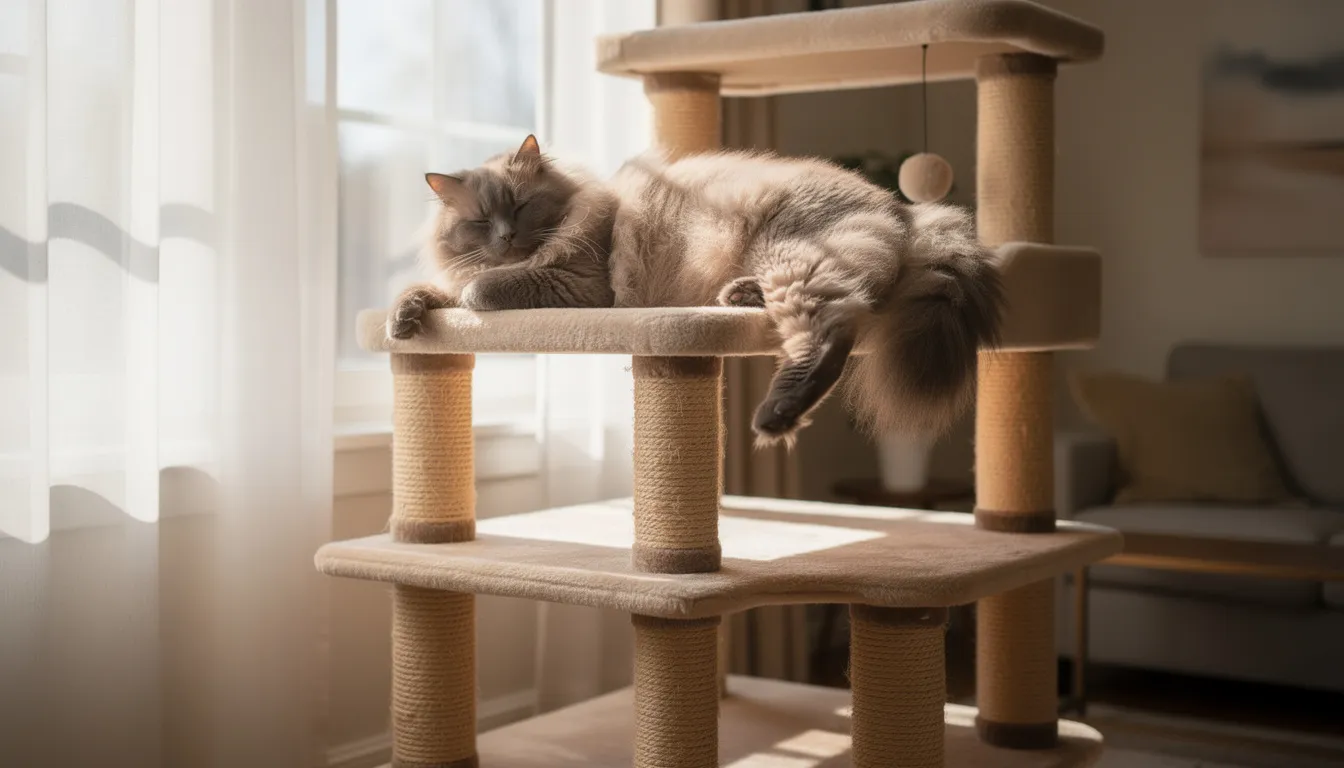
- Cat trees: Multi-level structures for climbing and observation
- Window perches: Sunny spots for watching outdoor activity
- Soft beds: In quiet corners away from household traffic
- Cardboard boxes: Free, beloved hiding spots
For multi-cat households, provide multiple resources to prevent conflict:
- At least one litter box per cat plus one extra
- Separate feeding stations in different areas
- Multiple resting spots at various heights
- Several water sources throughout the house
Enrichment additions that provide mental stimulation:
- Puzzle feeders require problem-solving
- Food-dispensing toys that mimic hunting
- Cat-safe herbs like catnip or silver vine
- Rotating toy selection to maintain novelty
Concrete layout example: Place a cat tree by the living room window where your cat can watch birds and squirrels. Position a cozy bed in a quiet bedroom corner. Keep litter boxes away from the noisy kitchen with its appliances. Add a scratching post near your cat’s favorite sleeping spot.
Vertical space and predictable routines reduce stress behaviors like spraying, overgrooming, and nighttime yowling significantly.
Positive interaction & building trust
The foundation of a good cat-human relationship is letting the cat maintain control over interactions.
Guidelines for building trust:
- Let the cat initiate contact rather than pursuing them
- Offer a hand for sniffing before attempting to pet
- Watch for overstimulation cues (tail twitching, ears turning sideways, skin rippling)
- Stop petting before claws or teeth appear
- Never force holding or cuddling
This mirrors the gentle approach we use for shy rabbits—patience and respect build confidence faster than forced handling ever could.
Positive reinforcement works far better than punishment:
- Use treats to reward desired behaviors
- Engage in daily playtime with wand toys or objects your cat enjoys
- Speak calmly and consistently
- Never yell, spray water, or use physical corrections
These approaches damage trust and increase fear without teaching better behavior.
Create short, predictable bonding rituals:
- 5-minute gentle brushing in the evening
- Scheduled wand-toy play before bedtime
- Morning greeting with a slow blink exchange
- Treat time at consistent hours
These rituals build security through predictability. Your cat learns to trust that good things happen regularly and that you respect their boundaries.
Key takeaways
- Cat body language operates on a spectrum from “open and exposed” (safe and happy) to “closed and contracted” (fearful or defensive)
- Tail position, ear orientation, pupil size, and whisker placement work together—read combinations, not single signals
- Common behaviors like scratching, kneading, and zoomies serve biological purposes and shouldn’t be punished.
- Changes in litter box habits, grooming, appetite, or social behavior often signal illness or stress.s
- Environmental enrichment (vertical space, hiding spots, mental stimulation) prevents many behavior problems.
- Building trust through patience and respect creates stronger bonds than forced interaction.
Conclusion
Understanding kitty behavior transforms your relationship with your cat from guesswork to genuine communication. Every tail flick, ear swivel, and slow blink carries meaning once you know how to read it.
Start observing your cat’s signals today—you’ll be amazed at what they’re telling you. Notice patterns, respect boundaries, and provide an environment that meets their physical and emotional needs. The reward is a relaxed, trusting companion who greets you with a high tail and soft eyes.
At Rabbit Life Hack, we believe that understanding animal behavior is the foundation of excellent pet care. Whether you’re caring for rabbits, cats, or both, the principles remain consistent: observe, respond compassionately, and never stop learning.
Want to explore more about animal behavior and communication? Subscribe to our newsletter for weekly tips on creating happy, healthy homes for all your companion animals.